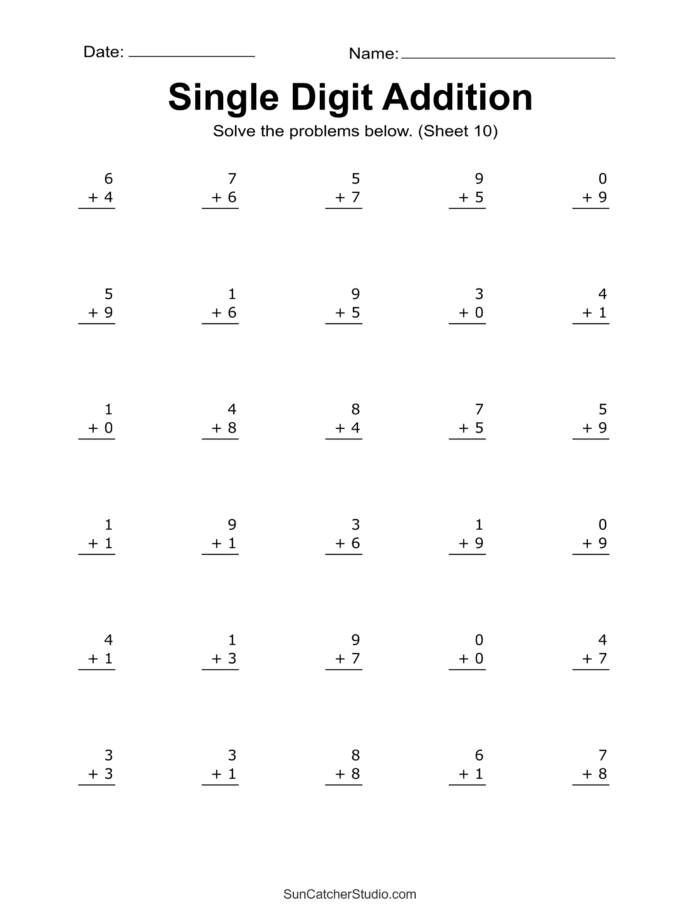
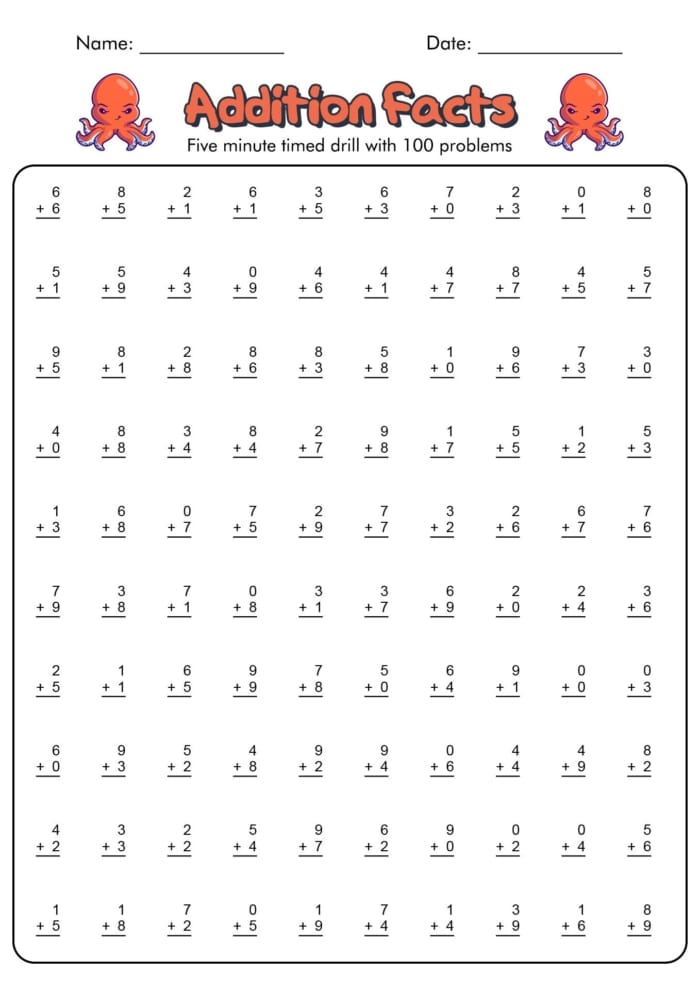
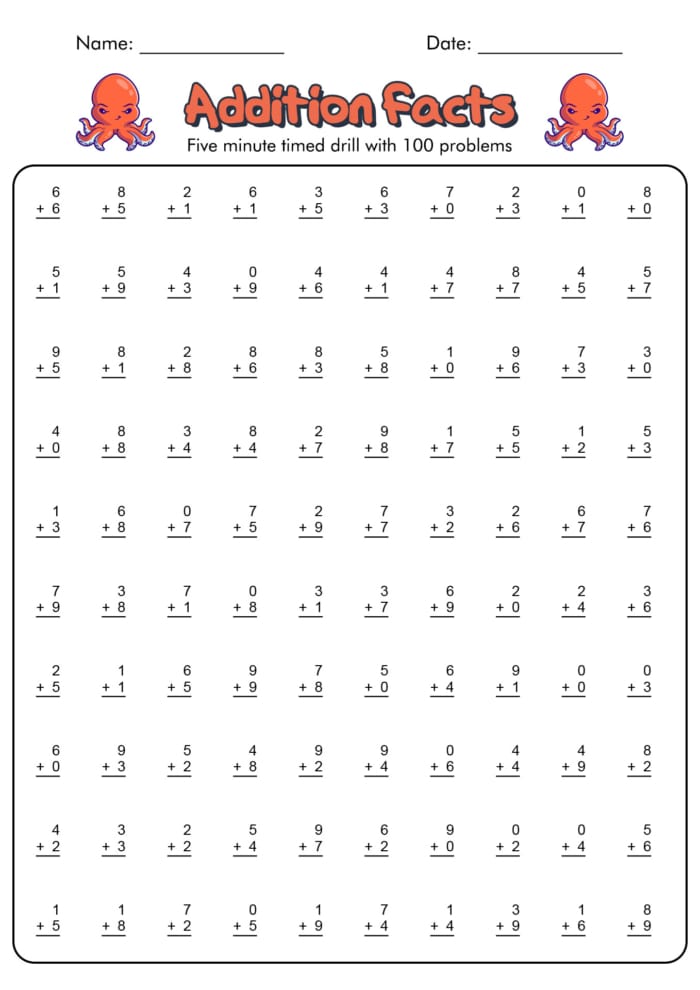
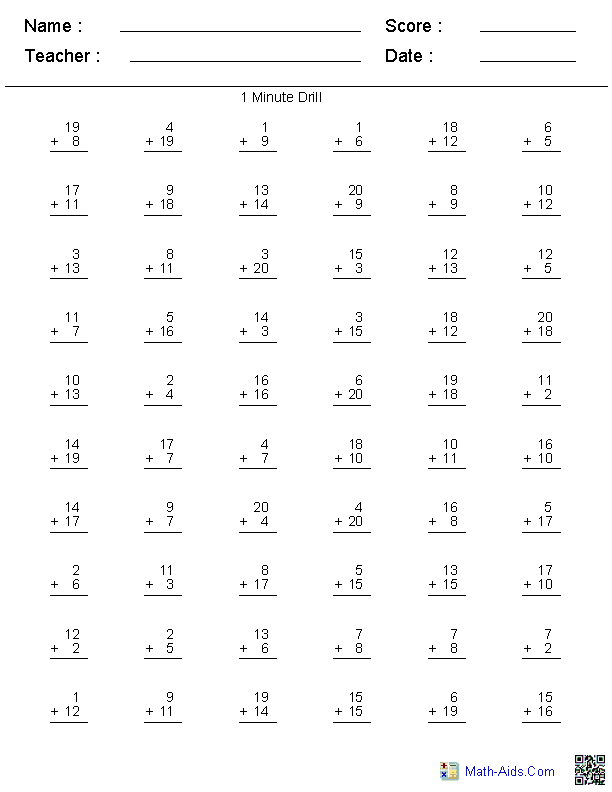
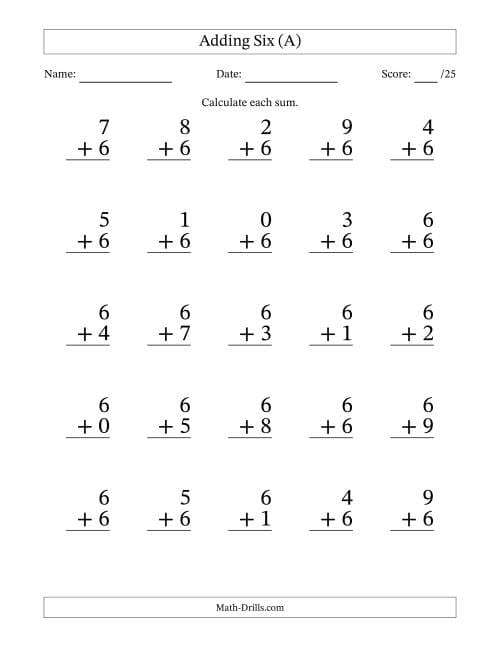
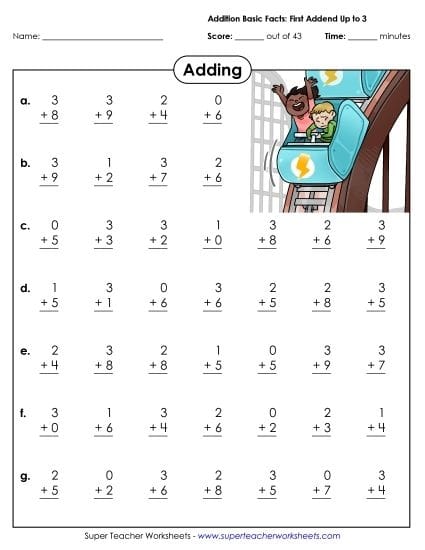
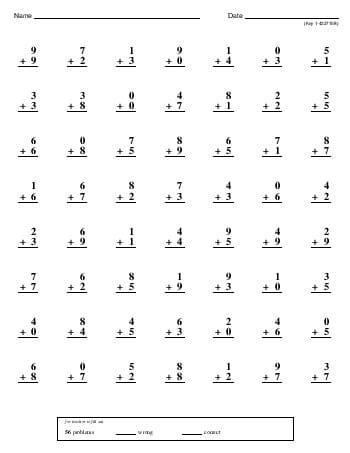
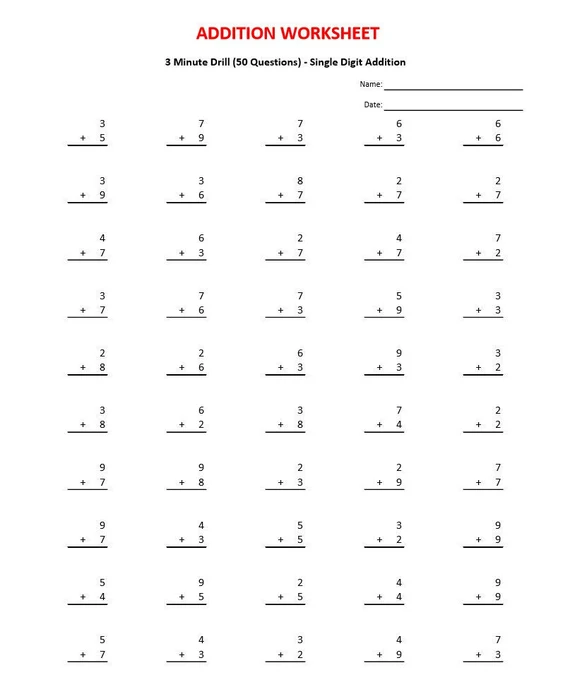
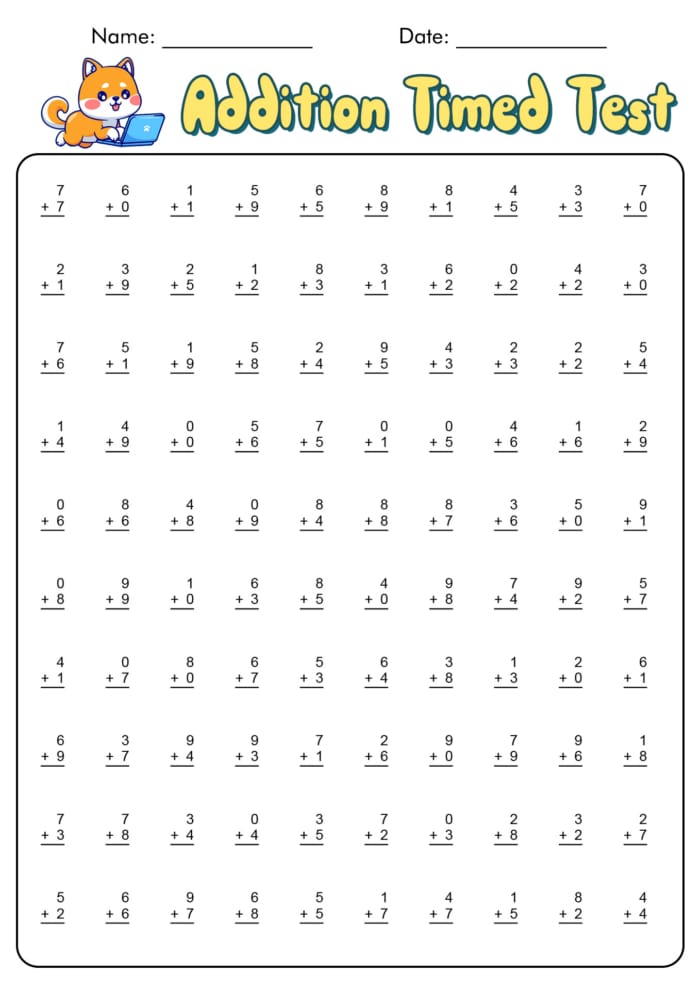
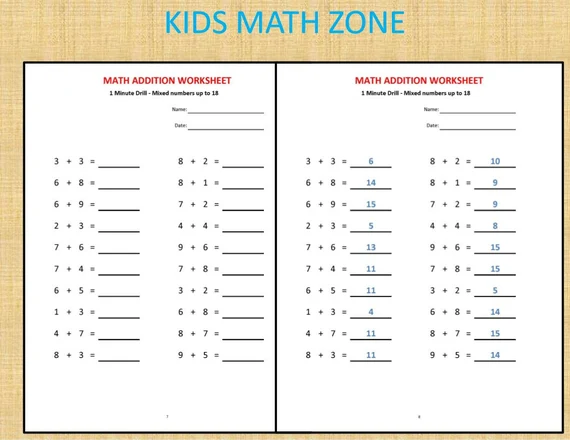
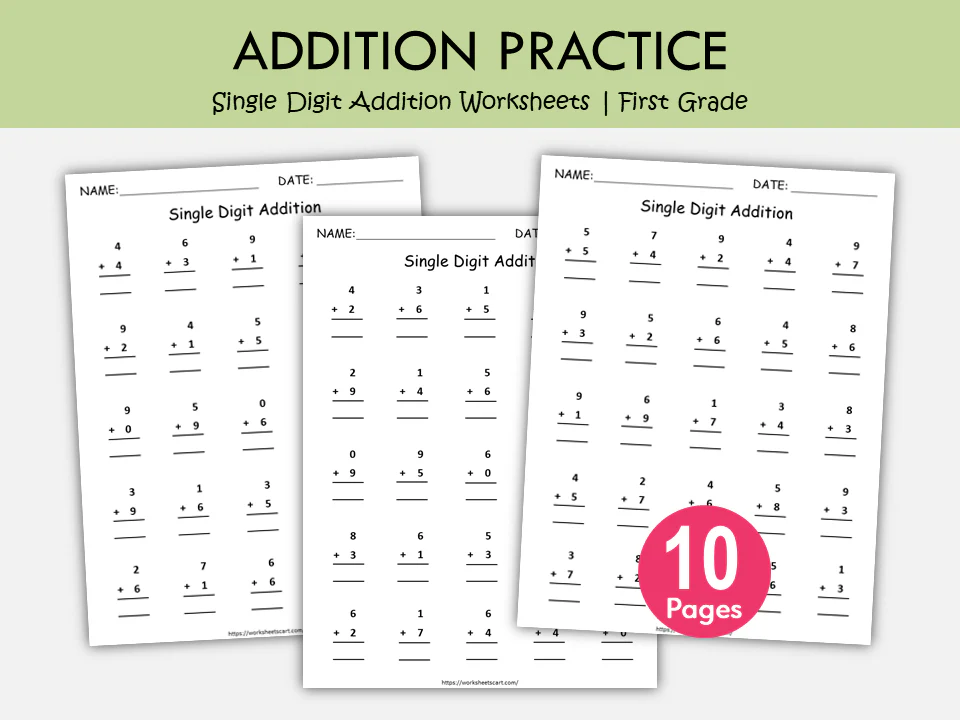
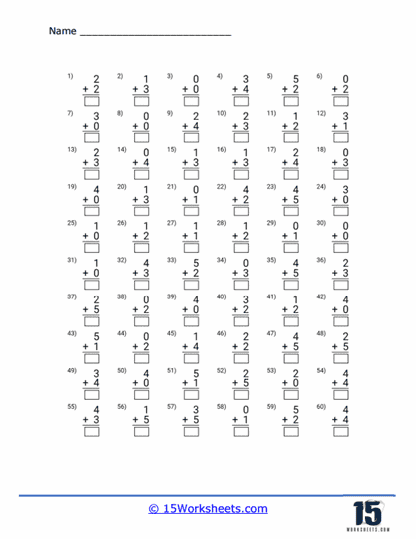
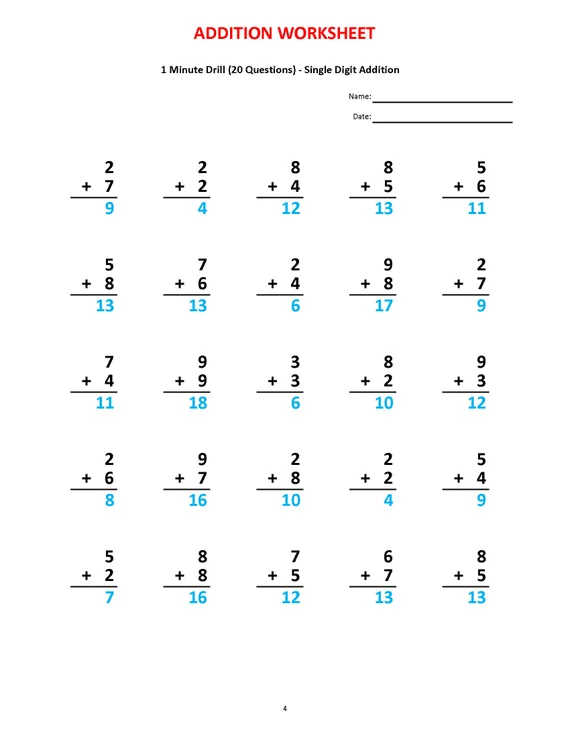
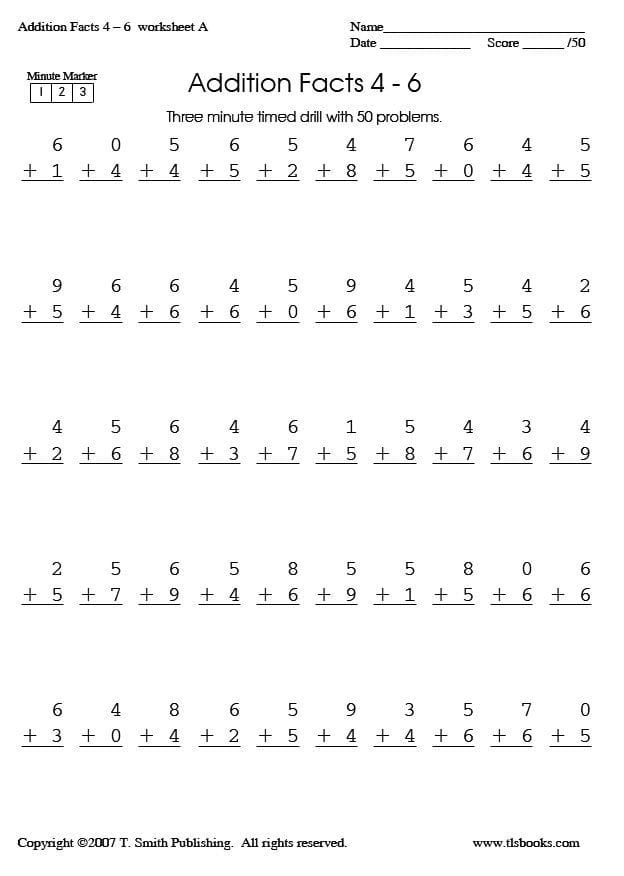
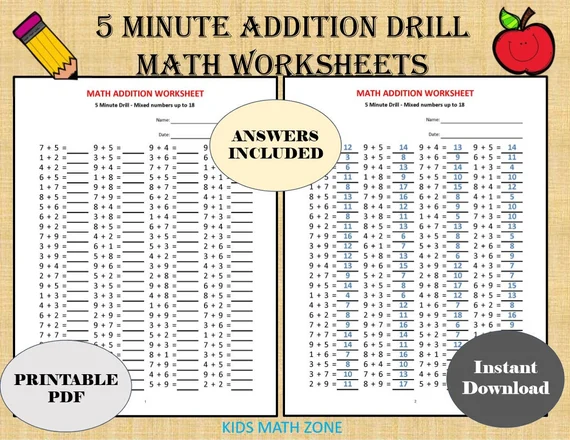
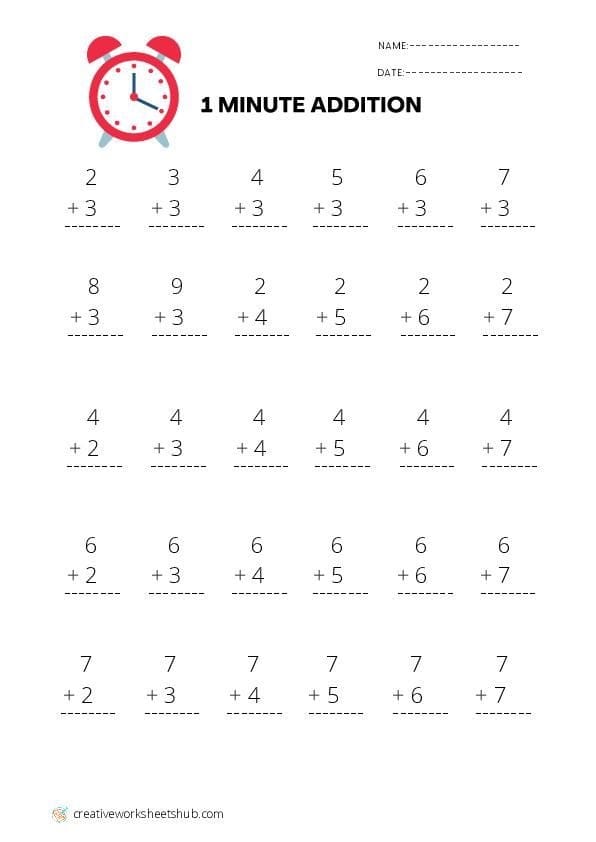
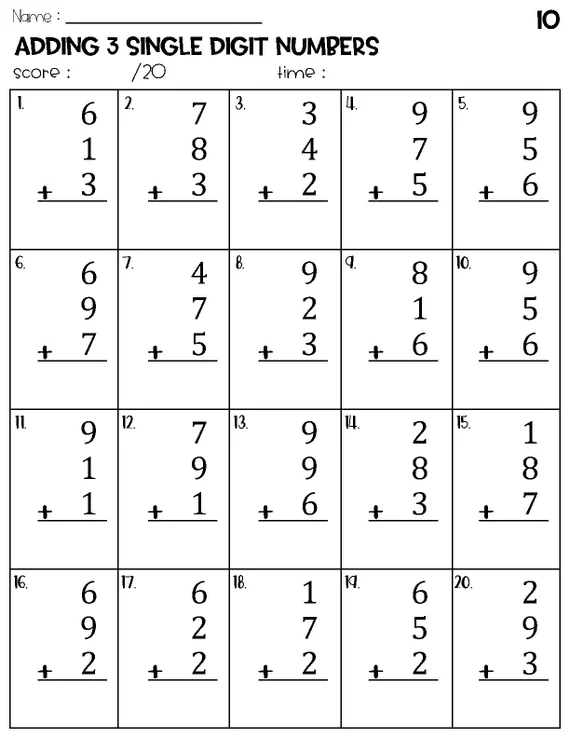
Ready, set, go! Start the timer and get going on this one-minute math addition practice. That simple instruction has become the backbone of how many first grade teachers build fluency and confidence with basic math facts. The pressure of the clock creates just enough urgency to push kids past hesitation without overwhelming them.
One-minute math drills work because they’re short enough to feel manageable but long enough to matter. A first grader who can solve eight or ten addition problems in sixty seconds has internalized something real. They’re not thinking through every problem from scratch anymore. The facts are becoming automatic, which is exactly what you want at this stage.
The beauty of timed practice is that it gives you concrete data. You can see progress week to week. A student who solved five problems correctly last week and now solves seven has measurable growth. That’s motivating for kids and it tells you which students need a different approach.
When you’re designing these sessions, variety matters. Mixing up problem types keeps the practice fresh. You might focus on adding four and other specific number combinations one day, then shift to simple addition and subtraction problems the next. Some students benefit from rounding numbers to the ten as a strategy before tackling addition, while others need to add and subtract across different problem sets.
The timed format also works well because it’s low-stakes. One minute passes quickly. If a student struggles, there’s another chance tomorrow. This removes some of the anxiety that can build around math. You’re not asking them to perform perfectly on a big test. You’re just asking them to try hard for sixty seconds and see how many they can get.
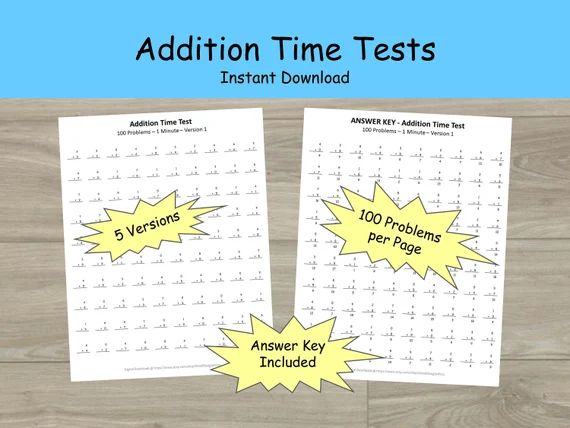
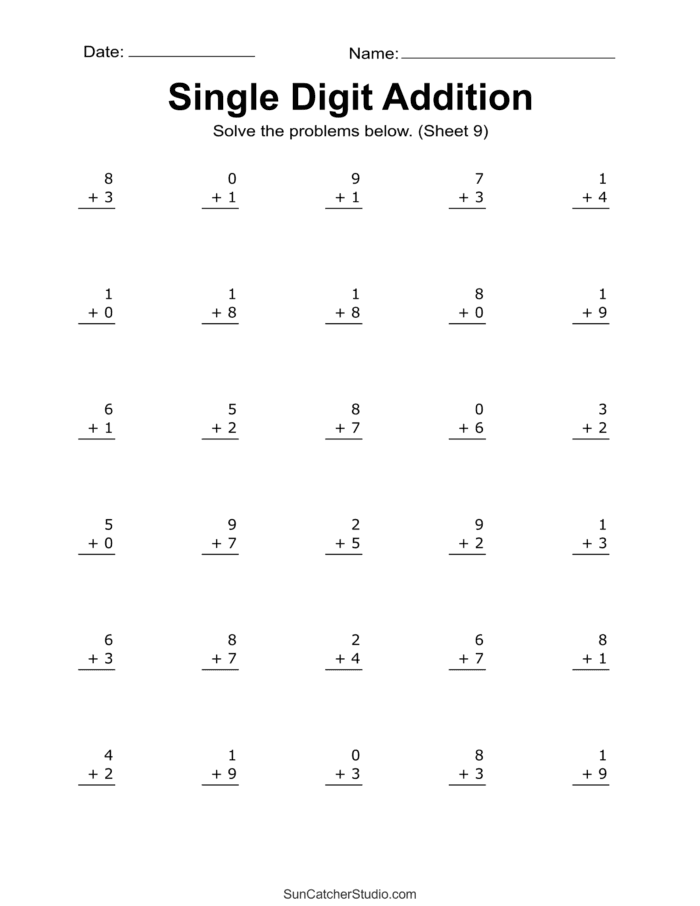
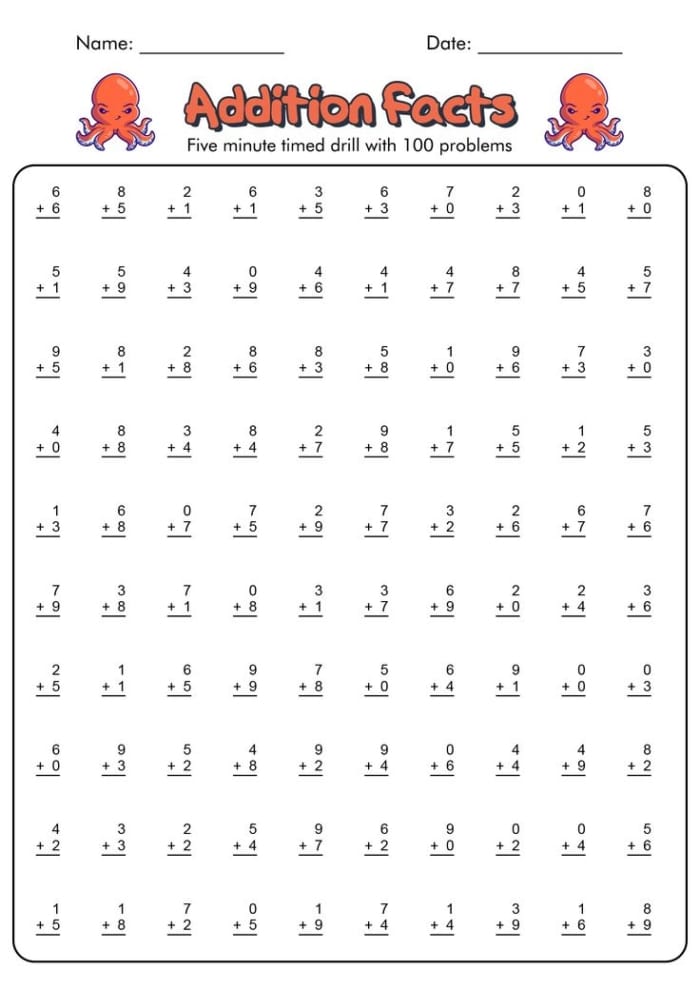
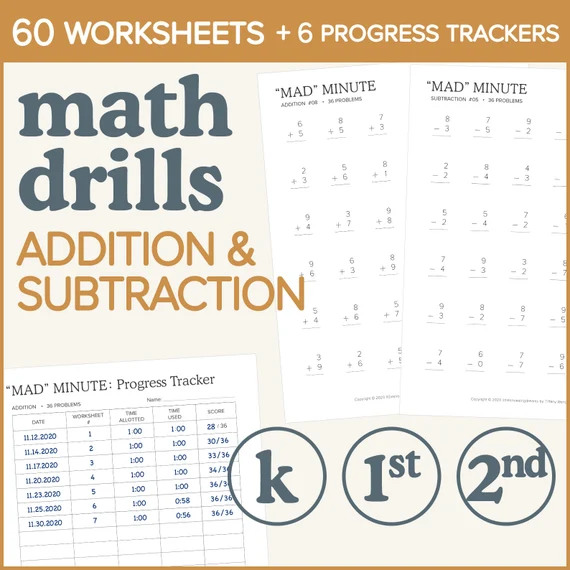
Printable worksheets designed for one-minute sessions keep the format consistent. Having that structure ready means less prep time and more time actually working with students on their progress.
Printable Worksheets for Practice